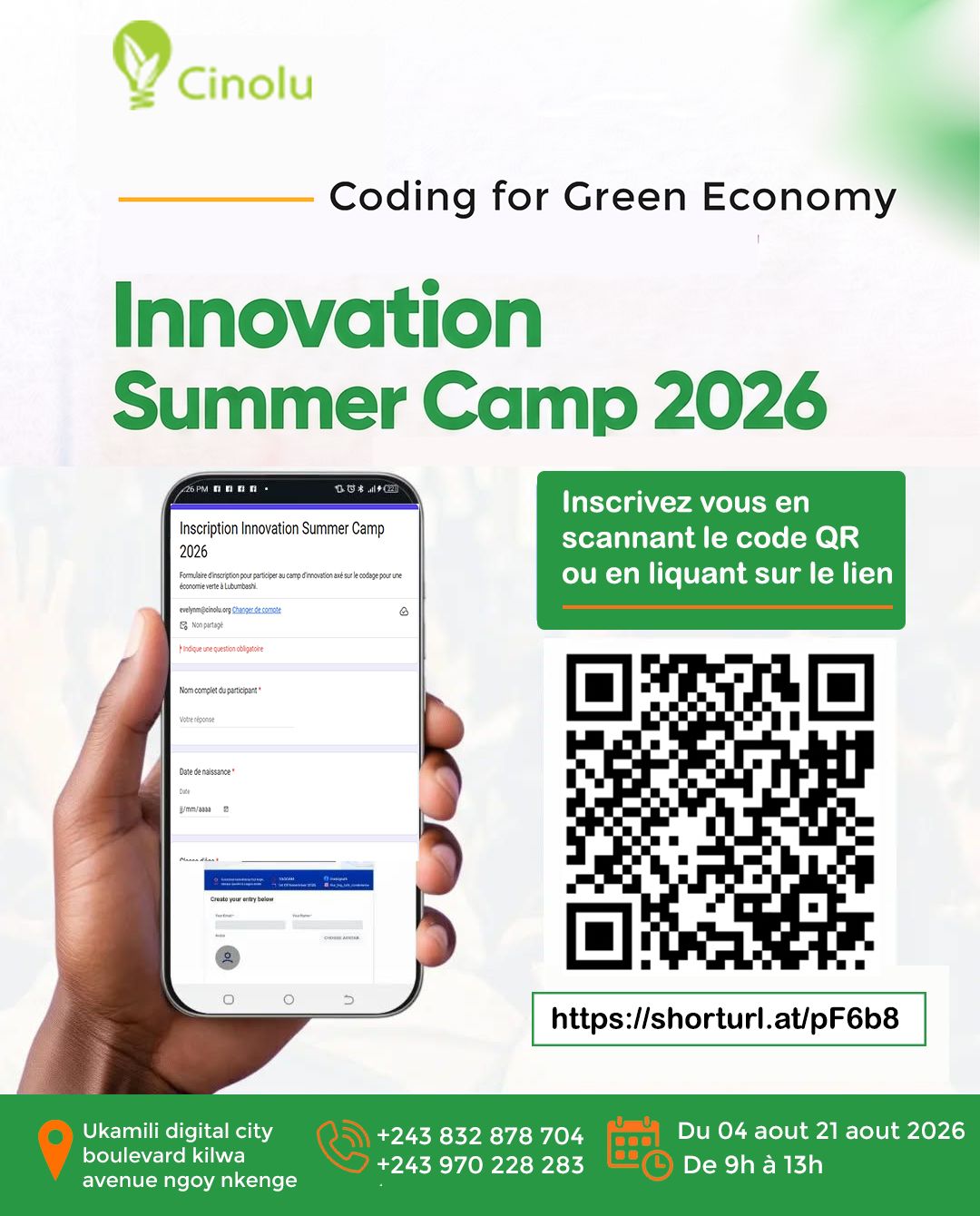
Innovation Summer Camp 2026
I managed and mentored a month-long CINOLU program that introduced 13 learners to computing, web development, and responsible AI use.
Selected outcomes
- 13 of 13 enrolled learners completed the program
- Two classes adapted to different age groups
- Every participant presented their work
- Quizzes and presentations used for assessment
Two classes with different needs
Innovation Summer Camp was a one-month CINOLU program held in August 2026. We wanted to give beginners a practical introduction to computers, web development, and AI.
I was the Project Manager and a mentor. I prepared the lessons, communicated about the program, organized the sessions, and taught. All 13 learners completed the month.
Their ages and needs made a single curriculum impractical. I divided the participants into two classes:
- Six learners aged 14 to 23 studied HTML, CSS, and JavaScript, together with introductory prompt engineering.
- Seven children aged 6 to 10 learned basic computer skills and created projects with Scratch.
I taught the groups separately because the same lessons would not work for both.
Building trust before teaching
Recruiting children was difficult because their parents needed to trust us first. Social media was not enough. We contacted CINOLU beneficiaries and members who already knew our work, and they helped us reach families in our local network.
The older class included technical participants, entrepreneurs, CEOs, and assistants. Their experience varied a lot. I slowed down, changed some examples, and adjusted the lessons when parts of the group needed more time.
What we taught
The older learners started with HTML, CSS, and JavaScript. I introduced prompt engineering alongside those lessons and asked them to check generated answers instead of accepting them immediately.
The younger class started with basic computer skills before moving to Scratch. Its visual blocks let them make animations and small interactive projects without getting stuck on syntax.
How the learners responded
Working with Gaël Mbala, I used quizzes and individual presentations to check what learners understood. Everybody presented their work and explained what they had made.
The change in the younger group surprised me. At the start, they opened YouTube whenever they had free time. By the end, they kept playing with Scratch after class and sometimes did not want to stop for the break.
I learned that getting people into the room can be as difficult as preparing the lessons. I also learned to change the pace instead of forcing a mixed group to follow my original plan.